
- Overview
- Key Features
- Challenges
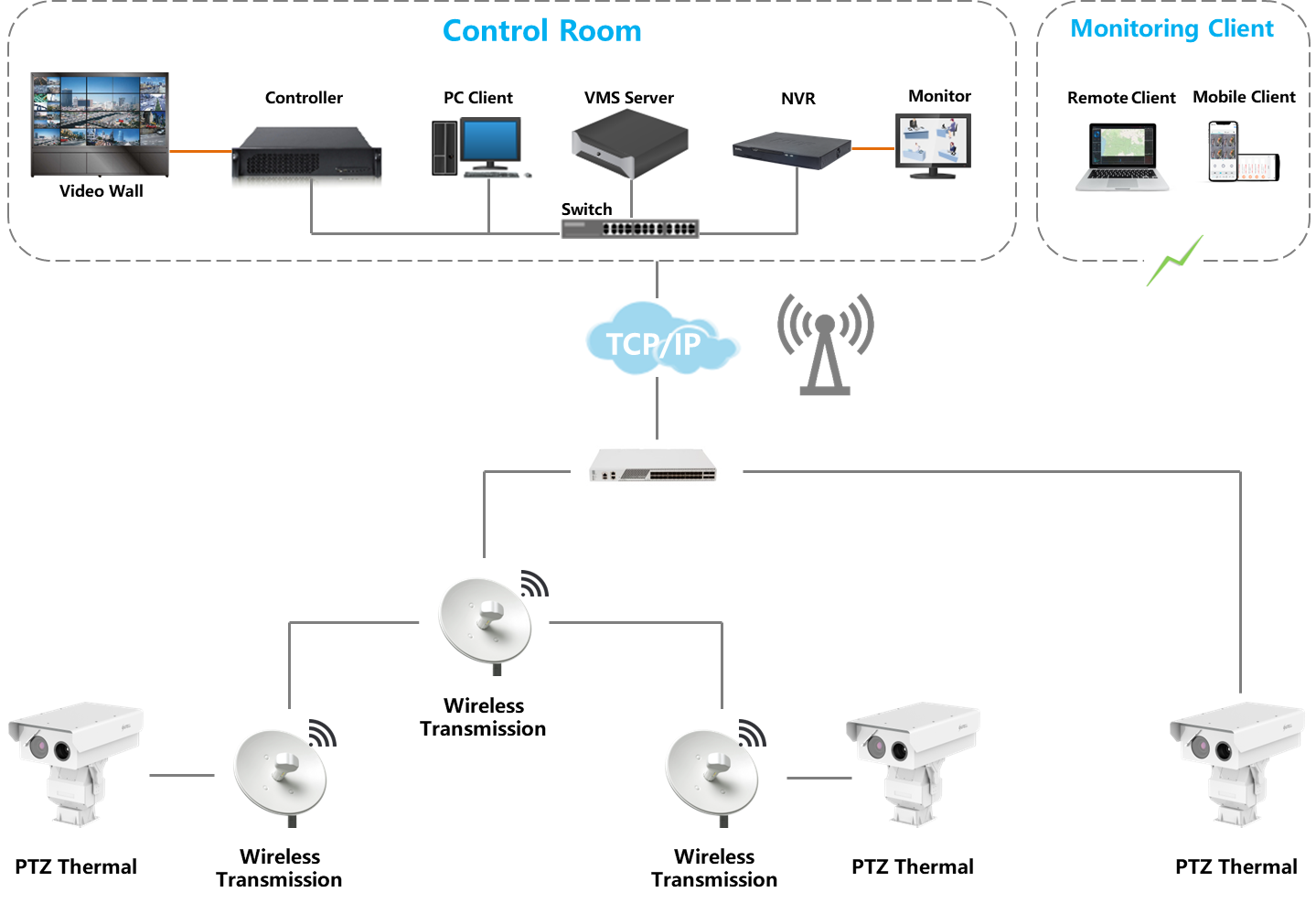
- System Topology
Wildfire Prediction Solution Overview
Wildfires pose significant threats to forests, grasslands, critical infrastructure, and nearby communities. Rapid fire spread, remote outdoor environments, and changing weather conditions make early wildfire detection essential for minimizing environmental and economic damage.
Sunell provides an AI-powered Wildfire Prediction Solution that combines thermal imaging, intelligent smoke and fire analytics, and long-range monitoring technologies to identify fire risks before large-scale wildfires develop.
The solution enables real-time environmental monitoring, early fire risk alerts, and continuous surveillance across forests, mountains, and remote outdoor environments.
Key Features for Wildfire Prediction
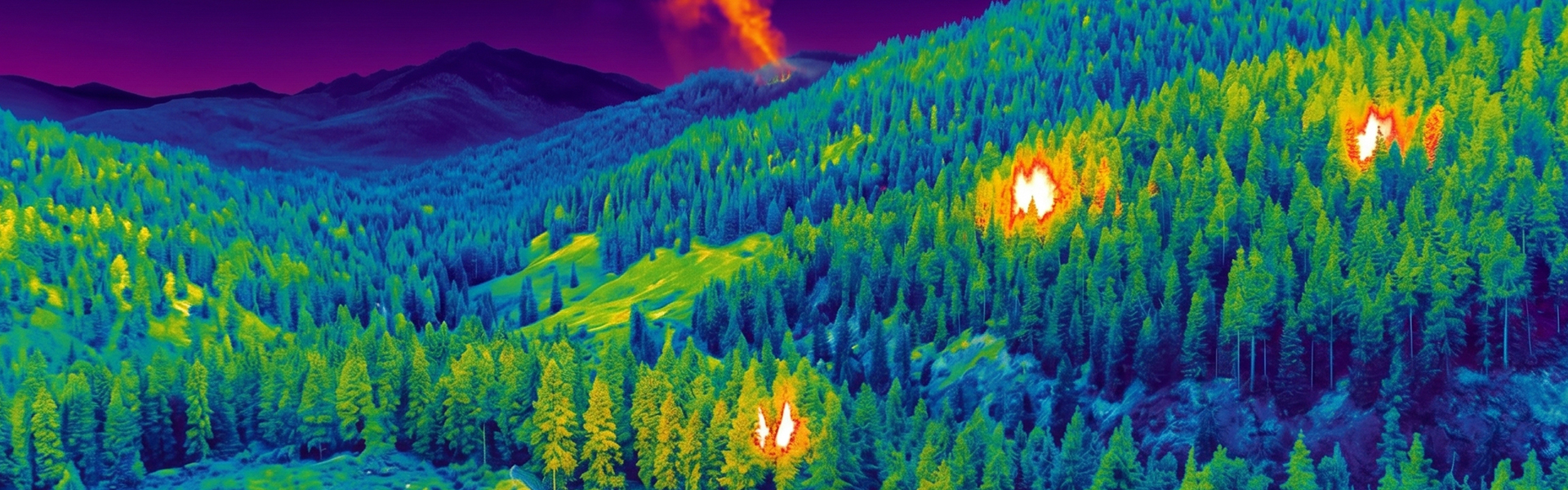
Early Fire Detection with Thermal Anomaly Monitoring
Sunell integrates high-sensitivity thermal imaging with AI analytics to detect abnormal temperature rises in outdoor environments, enabling early identification of potential wildfire conditions before smoke or flames appear.
Key Advantages
Thermal anomaly-based detection
Early hotspot identification
Real-time temperature monitoring
Faster wildfire warning response
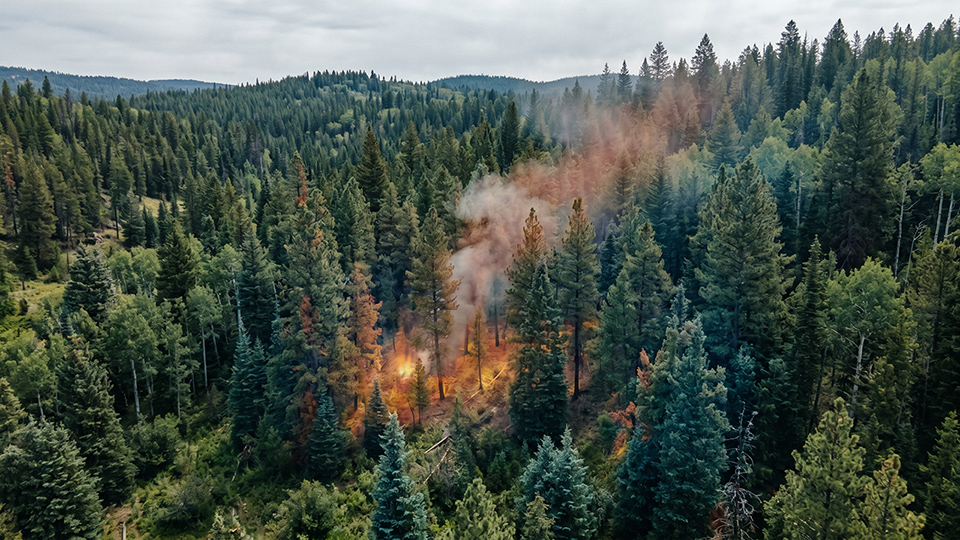
High-Accuracy Smoke and Fire Recognition
Advanced AI algorithms combined with thermal imaging technology distinguish smoke, fire, and environmental interference, improving detection reliability in complex outdoor scenes.
Key Advantages
Accurate smoke recognition
Reduced false alarms
Reliable outdoor detection performance
Intelligent target classification
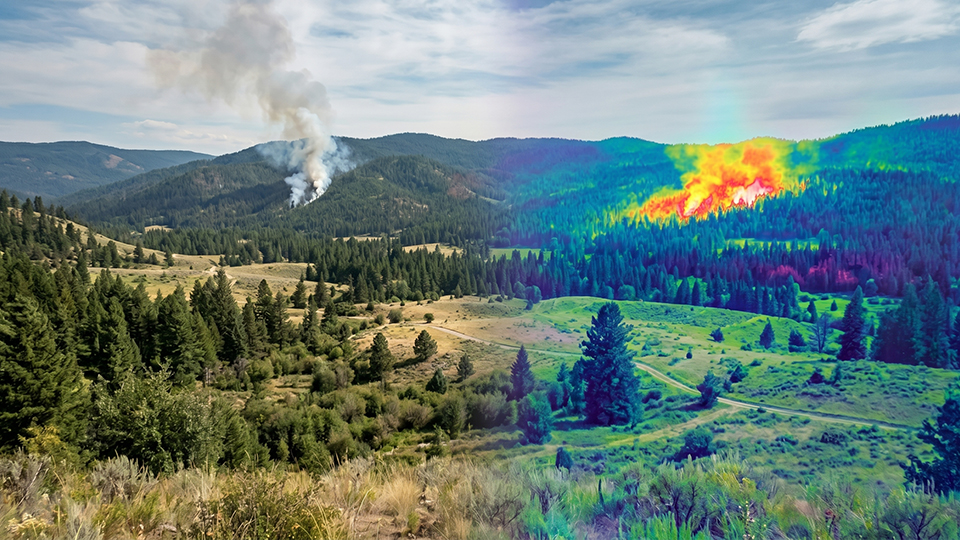
All-Weather Thermal Monitoring
Thermal imaging enables continuous monitoring of forests and remote areas under challenging environmental conditions such as darkness, fog, rain, and long-distance visibility limitations.
Key Advantages
24/7 continuous monitoring
Long-range detection capability
Weather-independent performance
Stable outdoor operation

Remote Alarm and System Integration
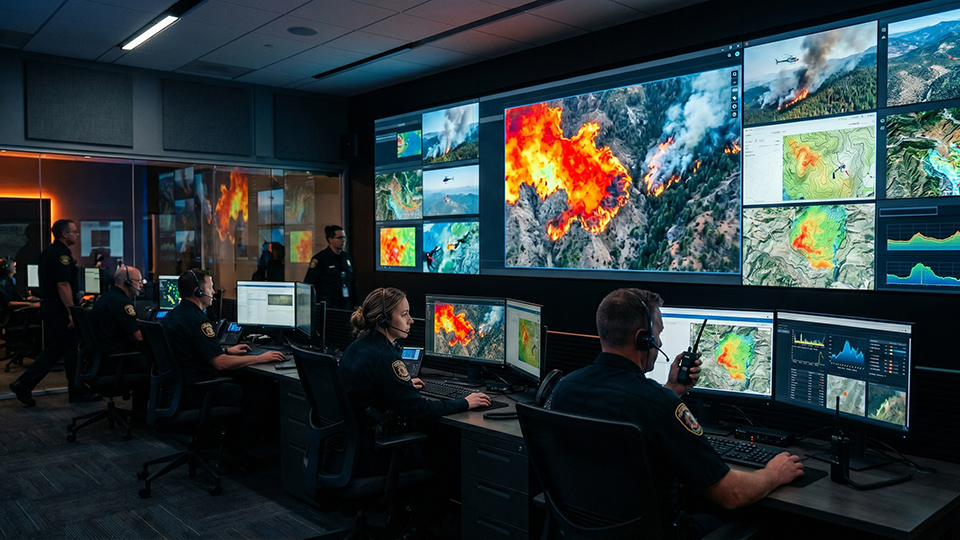
When abnormal temperature conditions are detected, the system automatically triggers alerts and sends notifications to monitoring centers, supporting integration with emergency response systems.
Key Advantages
Real-time alert notification
Remote monitoring support
Centralized alarm management
Fast response workflow
Wildfire Monitoring Challenges
Large-Scale Outdoor Environments
Wildfire-prone areas often span vast regions that are difficult to monitor using traditional systems.
Rapid Fire Propagation
Wildfires can spread quickly under dry conditions and strong wind, requiring early detection.
Remote and Unmanned Locations
Many high-risk areas lack on-site personnel and require reliable remote monitoring systems.
Environmental Interference
Fog, smoke, weather changes, and terrain complexity can affect detection accurac
Early Warning Requirements
Early identification of heat anomalies and smoke is critical for minimizing wildfire impact.
System Topology